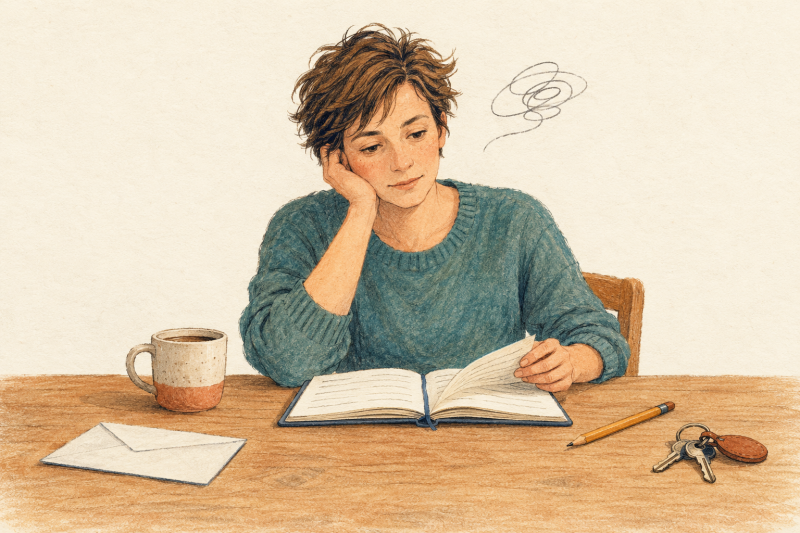
An adult may begin to wonder about ADHD after years of describing themselves as disorganised or unreliable.
They might manage urgent work well but repeatedly miss appointments, delay straightforward paperwork or struggle to keep everyday responsibilities moving. Recognising a possible explanation can bring relief, but it can also raise many questions.
ADHD begins in childhood, although diagnosis can happen much later. Some people benefited from strong routines or adults who tracked their needs. Others had difficulties that went unnoticed at the time. Looking back may reveal a pattern that becomes clearer when work, parenting, or independent living place greater demands on them.
In adulthood, difficulties may involve maintaining attention, managing time, finishing tasks or pausing before acting. Someone may end a busy day feeling they worked constantly but completed very little. Another person may spend considerable time checking calendars and belongings because they do not trust themselves to remember.
The most useful question is how these experiences affect daily life. Occasional procrastination is common. A repeated pattern that disrupts relationships, work or basic routines deserves closer attention. It also helps to notice what makes things easier, such as clear deadlines, a quieter environment, or another person helping you organise the first step.
If you are considering an assessment, write down a few specific examples from different parts of your life. Rather than 'I am bad at organisation', describe what happens with bills, appointments or work projects. Include what support you already use and whether it is enough. This gives a more accurate picture than a list of familiar online descriptions.
Childhood information can also be useful when available. School reports or a relative's recollections may help explain longstanding patterns. Discuss missing records with the assessing clinician rather than using them as a reason to give up on seeking advice. Assessment involves considering the available evidence as a whole.
Sleep problems, anxiety, depression and other health difficulties can affect concentration too. A careful assessment considers these possibilities and any coexisting conditions. The aim is to understand the source of the difficulties and identify suitable support. Recognising yourself in ADHD information can start a conversation; it does not need to become a diagnosis you make alone.
Denise Kelly