
What is ADHD?
ADHD (Attention Deficit Hyperactivity Disorder) is a neurobiological condition that affects how the brain regulates attention, behaviour and impulses, often leading to difficulties with focus, organisation and restlessness. Without proper identification, treatment and management, ADHD can have serious and
long-lasting consequences and/or complications for an individual. It is a genetic and long-term condition that affects learning and behaviour throughout the school years and, in many cases, beyond into adulthood. It usually presents with dysregulation in emotions, sleep and eating habits. ADHD is a common psychiatric disorder that can affect both children and adults.
ADHD can co-exist to a greater or lesser degree with any other disorders, such as dyslexia, autism, learning disorder, dyspraxia, conduct disorder or oppositional defiance disorder.
It is important to note that ADHD is a very treatable condition. If diagnosed and properly treated, people with ADHD can reach their potential and lead happy and successful lives.
ADHD treatment may include medication and behaviour therapy, and most people with ADHD can lead successful and productive lives.
How does ADHD affect daily life?
ADHD can significantly impact various aspects of daily life, including focus, organization, time management, and relationships. Individuals with ADHD may struggle with maintaining attention, staying organized, managing time effectively, and maintaining healthy relationships.
What specific outcomes can clients expect after an ADHD assessment?
After an ADHD assessment, clients can expect to gain clarity about their condition, receive a formal diagnosis, and develop a deeper understanding of how ADHD may be impacting their life. This assessment can lead to personalized treatment plans and strategies to manage symptoms effectively.
Common misconceptions about ADHD
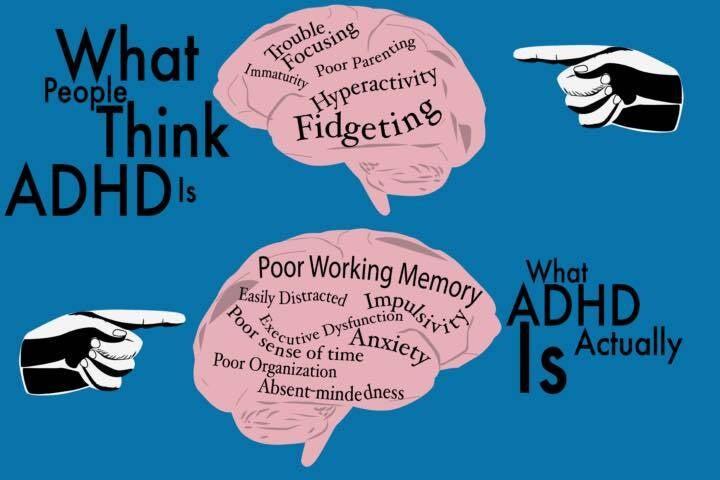
- Hyperactivity: While hyperactivity is a symptom of ADHD, not all individuals with ADHD are hyperactive. Inattention and impulsivity are also significant components of the condition.
- Lack of discipline: ADHD is not a lack of discipline or willpower. It is a complex neurobiological condition that requires appropriate diagnosis and treatment.
- Laziness: Individuals with ADHD may struggle with certain tasks due to cognitive challenges, not due to laziness. Understanding and support are crucial in managing ADHD effectively.
Ready to learn more about ADHD?
Take the first step towards understanding ADHD and how it may be impacting your life. Book a Consultation today.